
Call: 07971190565
 Send Inquiry
 Send Inquiry
Coumarin .
Price 1000 INR/ Kilograms
MOQ : 100 Kilograms
Coumarin . Specification
- Physical Form
- Powder
- EINECS No
- 202-096-2
- Usage
- Flavor enhancer, aromatic compound, and intermediate in organic synthesis
- Appearance
- White to off-white crystalline powder
- Molecular Formula
- C9H6O2
- Smell
- Pleasant, vanilla aroma
- Structural Formula
- C6H4(=O)C2H2
- Density
- 0.935 Gram per cubic centimeter(g/cm3)
- HS Code
- 29322090
- Ingredients
- Coumarin
- Solubility
- Slightly soluble in water, soluble in ethanol, ether, and chloroform
- Taste
- Sweet, vanilla-like
- Ph Level
- Neutral
- Storage
- Store in cool, dry place, away from sunlight
- Melting Point
- 6873C
- CAS No
- 91-64-5
- Purity
- 99% min
- Application
- Used in fragrances, flavorings, pharmaceuticals, and as a precursor to anticoagulant pharmaceuticals
- Shelf Life
- 2 years if properly stored
- Properties
- Colorless crystalline material with a sweet odor, used in flavorings and perfumes
- Shape
- Crystals
- Grade
- Industrial Grade, Food Grade
- Poisonous
- Yes, toxic if ingested in large amounts
- Refractive Rate
- Not applicable (solid powder)
- Product Type
- Organic Compound
- Molecular Weight
- 146.15 g/mol
- Manufacturing Method
- Synthesized from salicylaldehyde and acetic anhydride (Perkin reaction)
- Heavy Metals
- Complies with regulatory standards
- Stability
- Stable under recommended storage conditions
- Flash Point
- 162°C
- Precautionary Statements
- Keep away from heat and sources of ignition. Avoid contact with skin and eyes.
- Boiling Point
- 291°C
- Vapor Pressure
- 0.01 mmHg at 25°C
- Environmental Hazards
- Harmful to aquatic life with long-lasting effects
- Hazard Statements
- H302: Harmful if swallowed
- Lead Content
- <1 ppm
- EC Number
- 202-096-2
- Packaging
- 25 kg fiber drum
Coumarin . Trade Information
- Minimum Order Quantity
- 100 Kilograms
- Supply Ability
- 100 Kilograms Per Day
- Delivery Time
- 3 Days
About Coumarin .
Specification
| Purity | 99% |
| Shelf Life | 12 Months |
| Molecular Weight | 160.17216000 |
| Molecular Formula | C10 H8 O2 |
| Boiling Point | 303.00 Degree C. 725.00 mm Hg |
| Available Fragrance | Creamy, coconut. Taste. Almost bitter, sweet at lower level |
| Physical State | Powder |
| Color | White Crystals |
| Cas Number | 92-48-8 |
| Packaging Size | 25 KG |
| Usage/Application | Industrial |
| Technical Name | 6 METHYL COUMARIN |
Aromatic Excellence for Diverse Industries
Coumarin delivers a sweet vanilla aroma ideal for enhancing perfumes and flavors. Thanks to its high purity, it finds application not only in the fragrance and food industries but also as an intermediate in the synthesis of valuable pharmaceuticals, including anticoagulants. Each batch complies with stringent safety and heavy metal standards, ensuring suitability for both industrial and food-grade roles.
Reliable Manufacturing and Superior Quality Control
Our coumarin is synthesized using the reputable Perkin reaction, guaranteeing excellent chemical purity and consistency. With lead content below 1 ppm and compliance with all regulatory standards for heavy metals, quality is assured. Meticulous packaging in fiber drums protects its integrity and extends its shelf life to two years under recommended conditions.
FAQ's of Coumarin .:
Q: How is coumarin manufactured and what is its typical purity?
A: Coumarin is synthesized through the Perkin reaction, which involves combining salicylaldehyde and acetic anhydride. The resulting product is then purified to achieve a minimum purity of 99%, making it suitable for both industrial and food-grade applications.Q: What are the recommended storage conditions for coumarin, and how long does it remain stable?
A: Coumarin should be stored in a cool, dry place away from direct sunlight and sources of heat or ignition. Under these recommended conditions, it remains stable and retains its properties for up to two years.Q: When is coumarin used in various applications and what benefits does it provide?
A: Coumarin is commonly used as an aromatic compound in fragrances, flavorings, and as a precursor in the pharmaceutical industry, particularly in the synthesis of anticoagulants. Its sweet, vanilla-like aroma and taste enhance the sensory qualities of consumer products.Q: Where does coumarin find its main applications, and who are the typical users?
A: Coumarin is primarily used in the fragrance, food, and pharmaceutical industries. Manufacturers, suppliers, and traders-especially in India-distribute it in bulk for industrial, food, and research purposes.Q: What safety precautions should be considered when handling coumarin?
A: Coumarin is harmful if ingested and can be toxic in large amounts. It is important to avoid contact with skin and eyes, keep it away from heat and open flames, and adhere to hazard statements and safety guidelines provided with each shipment.Q: How can the environmental impact of coumarin be managed during use and disposal?
A: Coumarin is harmful to aquatic life and poses long-lasting environmental risks. It should be handled and disposed of according to environmental regulations to prevent contamination of water sources and minimize ecological harm.
Tell us about your requirement

Price:
Quantity
Select Unit
- 50
- 100
- 200
- 250
- 500
- 1000+
Additional detail
Mobile number
Email

More Products in Food Flavor Category

Aurial Aurantine
Price 930 INR / Kilograms
Minimum Order Quantity : 10 Kilograms
Product Type : Aurial Aurantine (Synthetic Organic Dye)
Storage : Other, Store in a cool, dry place away from light
Application : Other , Textile dyeing, paper coloring, research, industrial uses
Purity : >99%
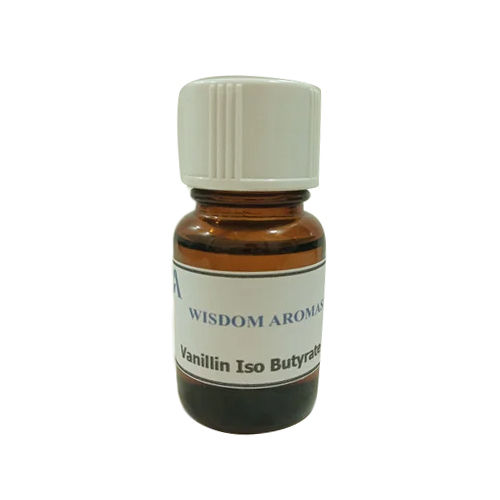
Vanillin Iso Butyrate
Price 2300 INR / Kilograms
Minimum Order Quantity : 1 Kilograms
Product Type : Vanillin Iso Butyrate Chemical
Storage : Room Temperature
Application : Industrial
Purity : 98%
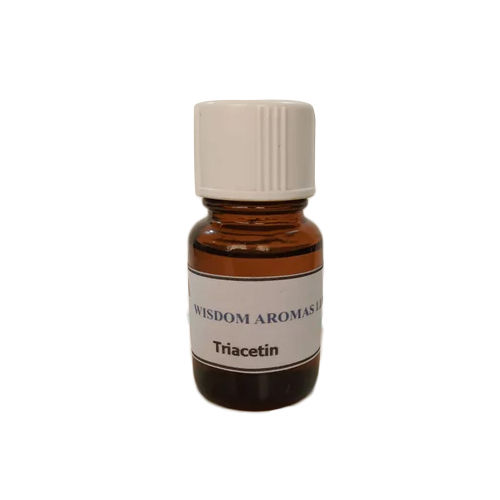
Triacetin .
Price 235 INR / Kilograms
Minimum Order Quantity : 25 Kilograms
Product Type : Triacetin Aromatic Chemical
Storage : Room Temperature
Application : Industrial
Purity : 99%
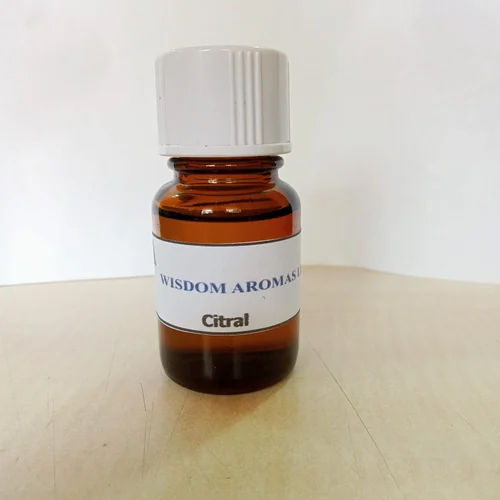
Citral chemical
Price 525 INR / Kilograms
Minimum Order Quantity : 1 Kilograms
Product Type : Citral Chemicals
Storage : Room Temperature
Application : Industrial
Purity : >99%

Contact Details
GST : 27AADFW6445L1ZN
- A-Wing, G-1, Ground Floor, Jay Anand CHS Ltd. Javkar Lane, Sion Chunabhatti East,Mumbai - 400022, Maharashtra, India
- Phone :07971190565

 Send Inquiry
Developed and Managed by Infocom Network Private Limited.
